Tight staircases and access problems for Holland Park removals
Posted on 24/06/2026
Moving in Holland Park can look straightforward on a map, but the reality inside the building is often another story. Narrow stairwells, awkward landings, basement steps, split-level flats, and front doors that barely open wide enough for a sofa can turn a simple removal into a careful, timed operation. If you are dealing with tight staircases and access problems for Holland Park removals, the good news is that these issues are very common and very manageable when they are planned properly.
In practice, the difference between a smooth move and a stressful one usually comes down to preparation. Which route will the furniture take? Can a wardrobe turn on the landing? Is there enough room to park the van without blocking the street? What happens if the lift is small, slow, or out of service? These are not small details. They are the move. This guide breaks everything down in plain English so you know what to expect, what to measure, and how to avoid the avoidable headaches.
Expert takeaway: Most access problems are not "problems" if they are identified early. The move becomes easier, safer, and often cheaper when the removal team knows the staircase, the parking setup, and the exact pieces that may need extra handling.

Why Tight staircases and access problems for Holland Park removals Matters
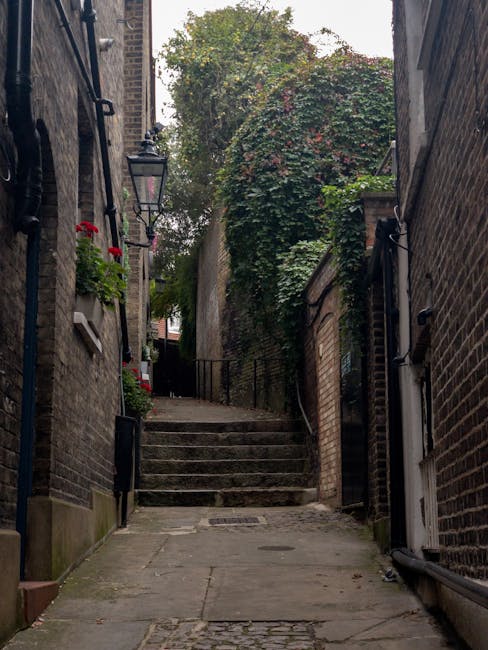
Holland Park homes often have character, and character can mean tight staircases, unusual floor levels, and entrances that were never designed for today's larger furniture. Lovely to live in. Less lovely when you are trying to get a three-seater sofa around a sharp turn without scuffing the wall. To be fair, that is exactly why access planning matters so much here.
Access issues affect more than convenience. They influence timing, labour, vehicle choice, packing method, insurance considerations, and even whether an item can be moved in one piece. If a property has a steep internal staircase, a narrow hallway, or steps from the kerb to the front door, the removal team may need more people, extra protection, different equipment, or a slower loading sequence.
There is also a financial angle. When access is not discussed early, small surprises can become time delays. A team may need to carry items further than expected, wait for neighbours to move vehicles, or dismantle furniture on the spot. None of this is dramatic. But it does add up, and in London, time is never just time.
If you are moving from a flat, a townhouse, or a period property, you may also want to look at flat removals in Holland Park and house removals in Holland Park to understand how different property types are typically handled.
How Tight staircases and access problems for Holland Park removals Works
Good removal planning starts with a simple question: how will each item physically leave the property? That sounds obvious, but you would be surprised how often it gets overlooked until moving day. A large item may fit through the door and then fail at the staircase turn. Or it may be fine upstairs but impossible to pivot through a narrow communal entrance. Same item, different obstacle.
In a well-planned move, the removal team will usually look at several things in advance:
- Stair width and turning space on each landing
- Headroom on steep or low-ceiling staircases
- Door dimensions at the property and in shared corridors
- Parking distance from the van to the entrance
- Lift size and reliability, if there is a lift
- Carrying route through the building
- Furniture type, especially wardrobes, beds, glass tables, and pianos
Some jobs are simple carry-outs. Others need dismantling, wrapping, and a bit of choreography. That is not glamorous, but it is the difference between a tidy move and a wall with a fresh scrape. If a property is particularly restrictive, the team may use more protective coverings, extra lifting gear, or a longer carry plan.
For larger or delicate items, specialist handling matters. For example, a heavy upright piano should not be treated like a standard box item, which is why piano removals in Holland Park are best planned separately from routine furniture moves. Likewise, if your move involves bulky household pieces, the guidance on furniture removals in Holland Park can be especially helpful.
Key Benefits and Practical Advantages
When access issues are handled properly, the whole move feels calmer. Not perfect. Just calmer. And in moving terms, that is a win.
- Lower risk of damage to walls, bannisters, floors, and furniture
- Better time control because the crew is not improvising at every landing
- Safer handling for bulky or awkward items
- More accurate quotes when the access conditions are known upfront
- Less stress on the day for you, your neighbours, and the removal team
- Better use of labour because the team can arrive with the right setup
There is also a subtle but important benefit: confidence. Once you know the route, the van position, and the furniture plan, the move stops feeling like a mystery. You are not guessing whether the chest of drawers will make it down the stairs. You know whether it will, or whether it needs to be dismantled first. That clarity is worth a lot.
For people comparing services, it can help to browse the wider removal services in Holland Park and compare local support through removal companies in Holland Park.
Who This Is For and When It Makes Sense
This kind of planning is useful for almost anyone moving in the area, but it becomes essential in a few common situations.
- People moving from upper-floor flats without a spacious lift
- Families in period houses with narrow staircases and awkward corners
- Students and sharers who need quick, cost-aware help with limited access
- Office movers dealing with equipment, desks, and stairs in older buildings
- Anyone with oversized items such as wardrobes, beds, or pianos
- Last-minute movers who have less time to assess the property properly
If you are a student, you may find the smaller-scale planning on student removals in Holland Park useful. If the move is business-related, office removals in Holland Park is the more relevant route, especially where stairs and corridor access are tight.
It also makes sense when you are selling, buying, or timing a move around property handovers. For wider local context, the article on your Holland Park real estate guide is a useful companion read.
Step-by-Step Guidance
Here is the practical sequence we recommend for restricted-access moves. Keep it simple and work through it early.
- Walk the route. Start at the front door and trace the path to the van. Notice the turns, the steps, the width, and any low ceilings.
- Measure the awkward bits. The most important measurements are door widths, staircase width, and the size of bulky furniture.
- Identify problem items. Sofas, beds, mirrors, wardrobes, fridge-freezers, and desks are the usual suspects. A piano is in a category of its own.
- Check parking and loading distance. A short carry from the door can save a surprising amount of time and effort.
- Decide what should be dismantled. Flat-pack furniture is one thing. A solid oak wardrobe is another. Do not assume it will "just fit".
- Tell the removal team about all access issues. Be specific. "A few stairs" is less useful than "17 steps to the front door and a tight L-shaped staircase upstairs."
- Protect the property. Use floor runners, covers, and corner protection where needed. Especially on painted walls and older bannisters.
- Build in time for surprises. A stubborn bolt or a slow lift can steal minutes. Sometimes more.
A useful rule of thumb: if you are unsure whether something will fit, assume it needs checking. That is not pessimism. That is sensible moving behaviour.
For planning the practical side of packing, the packing and boxes in Holland Park page is a solid next step, and if space is tight before the move, storage in Holland Park can take pressure off the schedule.
Expert Tips for Better Results
After enough moves, certain habits keep proving themselves. Nothing fancy. Just the things that prevent avoidable hassle.
- Photograph the staircase and entrance before move day. A couple of clear phone pictures can help the team plan more accurately.
- Measure tall items diagonally as well as upright. Sometimes the diagonal is the only workable angle.
- Empty drawers and shelves before moving large furniture. It makes heavy pieces safer and easier to manoeuvre.
- Wrap corners and protruding parts so they do not catch on paintwork or bannisters.
- Book a larger window of time if the access is especially awkward. Rushing a narrow staircase is a bad idea, full stop.
- Keep a clear landing zone at both ends of the staircase so items can be turned without panic.
- Tell neighbours if needed when shared access might cause temporary blockages. It saves awkward conversations later.
One thing people often forget: a move can be slowed by the small stuff, not just the big furniture. An overfilled box is awkward on a staircase. A mirror with no grip is awkward on a staircase. A plant that has to be carried one-handed while somebody opens a door? Also awkward. You get the idea.
For readers who want a broader service overview before choosing a team, services overview is a helpful starting point. If you are comparing vehicle options for a tight street or narrow access route, see removal van options in Holland Park and man and van in Holland Park.
Common Mistakes to Avoid
Most access problems are manageable. The mistakes tend to make them worse.
- Underestimating the staircase because it looked "fine" at a glance
- Forgetting to measure furniture, especially older or custom pieces
- Assuming the lift will be usable without checking size or restrictions
- Not mentioning parking limits, permit issues, or loading restrictions
- Leaving dismantling until the last minute
- Overpacking boxes, which makes stairs slower and riskier
- Failing to protect surfaces in older properties
- Booking too little time for a property with tricky access
One classic mistake is thinking that the route from the room to the van is "close enough" to deal with on the day. That sounds harmless. Then the first wardrobe catches on the stair bend and everyone is standing there, trying to be polite while the clock ticks. Not ideal.
If you want to avoid price surprises that can appear when access is more complex than expected, have a look at avoiding hidden costs in Holland Park removals quotes. And if you need the move completed quickly, same-day removals in Holland Park may be relevant, though tight access does mean earlier planning is even more important.
Tools, Resources and Recommendations
You do not need a full workshop to manage stair access properly. A few simple tools and habits go a long way.
- Tape measure for stair width, door frames, and furniture
- Phone camera to capture the access route and any obstacles
- Furniture blankets and wraps to protect surfaces and edges
- Corner guards for narrow stair turns and landings
- Straps and lifting aids for safer control of bulky items
- Labels and notes so dismantled parts and fittings do not go missing
- Clear packing materials from the route before moving starts
From a planning perspective, the most useful resource is usually a proper pre-move discussion. Tell the team about the staircase shape, the floor level, whether the access is shared, and whether there are any time restrictions. If you are not sure what to mention, over-communicate a little. That is rarely a mistake.
For customers who want reassurance on how a company handles safety and responsibility, insurance and safety, health and safety policy, and about us are sensible pages to review before booking. If sustainability matters to you, see also recycling and sustainability.
Law, Compliance, Standards, or Best Practice
For a typical home move, there is usually no special legal hurdle created just by a narrow staircase. But there are sensible standards and duties that good movers follow. In the UK, removal work should be carried out with proper care for people, property, and access routes. That means safe handling, reasonable planning, and not pushing a move beyond what is safe for the people carrying it.
Best practice in restricted-access moves usually includes:
- Risk-aware planning before lifting heavy or awkward items
- Clear communication about access conditions and load size
- Protective measures for floors, walls, and doors
- Appropriate staffing for stair-heavy or bulky-item jobs
- Respect for shared spaces in flats, conversions, and managed buildings
In plain language, the safest move is the one that does not force a sofa through a gap it should never have been asked to fit through. A bit dramatic, yes, but true.
If you are unsure about terms, timescales, or what should be agreed in advance, the terms and conditions and privacy policy pages can help explain the practical side of booking and information handling. For payment reassurance, payment and security is worth checking too.
Options, Methods, or Comparison Table
There are usually a few ways to deal with tight staircase access. The best one depends on the property, the furniture, and how much time you have.
| Method | Best for | Pros | Trade-offs |
|---|---|---|---|
| Carry items fully assembled | Small or medium pieces with clear access | Faster, less preparation | Risky if corners or landings are tight |
| Dismantle before moving | Wardrobes, bed frames, some desks | Easier on narrow stairs, safer turns | Needs tools and reassembly time |
| Use additional crew support | Heavy or awkward items | More control, safer handling | Can increase cost and scheduling time |
| Use storage first | Moves with delayed access or space pressure | Reduces rush, simplifies the main move | Requires an extra stage |
| Split the move into smaller loads | Very restricted entrances or limited parking | More manageable, less congestion | Takes longer overall |
In many Holland Park properties, a mixed approach works best. For example, some furniture goes out assembled, other items are dismantled, and one or two awkward pieces are booked for specialist handling. That balance keeps the move practical without overcomplicating it.
Case Study or Real-World Example
A recent-style scenario we see often: a two-bedroom flat on an upper floor, no lift, a tight stair bend halfway up, and a sofa that looked perfectly ordinary in the lounge. On paper, everything seemed manageable. In reality, the sofa frame was just a touch too long for the turn.
Because the access had been discussed early, the team arrived with the right tools and protection. One item was dismantled first, the landing was cleared, and the route was padded where needed. The move still took a little longer than a straightforward property, but it stayed controlled. No wall damage, no frantic improvising, no last-minute panic call from the hallway. That is the result you want.
Another example is a family move where the staircase looked wide enough until the removal started. Once the handrail, a low ceiling section, and a curved corner were factored in, the large wardrobe was no longer a safe carry item. It was dismantled instead. Slight delay. Much better outcome. Honestly, that is the kind of adjustment that saves the whole day.
If your move is linked to a wider house sale or property change, the local context in selling residences in Holland Park and Holland Park community insights on living can be useful background reading.
Practical Checklist
Use this before move day. Simple, but effective.
- Measure stair widths, door widths, and any tight turns
- Check whether a lift is available and suitable
- Identify oversized, heavy, or fragile items
- Decide what should be dismantled in advance
- Confirm parking distance and loading access
- Share photos of the property entrance and stairs
- Clear hallways, landings, and common areas
- Protect surfaces with covers or runners
- Label important parts, screws, and fittings
- Allow extra time for awkward access
- Tell neighbours or building management if needed
- Keep your phone charged and handy on the day
Quick reminder: if a staircase feels tight when you are empty-handed, it will feel even tighter with a mattress under your arm. That is just how it goes.
For nearby moving logistics and local route awareness, you may also find the Holland Park Avenue moving guide for house removals and Holland Park Station moving times and removals planning useful when planning timing and access around busier streets.
Conclusion
Tight staircases and restricted access are part of moving life in Holland Park, especially in older buildings with character, shared entrances, and compact internal layouts. The key is not to fight the property. It is to plan for it. Measure properly, identify the awkward items, protect the route, and let the removal team know exactly what they are walking into.
Do that, and the move becomes much more manageable. Still work, of course. But manageable. And sometimes that is the real success: a calm staircase, a careful carry, and a house key handed over without drama. Not bad for a day that started with a tape measure and a bit of honest planning.
If you would like personalised help with a move that involves stairs, limited parking, or unusually awkward access, the best next step is to speak with the team directly through contact. A quick conversation can save a lot of second-guessing later.
Get a free quote today and see how much you can save.